Wind-Down Routine — 90 min Pre-Sleep
Dim lights, close work, no screens for the 90 minutes before bed — the transition window is the actual sleep aid. The bedroom is where sleep arrives, not where it is built.
Starting 90 minutes before lights-out — dim overhead lights, close all work, no screens, no news — the wind-down transition is the actual sleep aid; the bedroom is where sleep arrives, not where it is built. Sleep quality is largely determined in the hour and a half before you lie down.
The practice
- T-90 min: dim the lights. Switch off overhead lighting; use warm, low-lumen lamps at table height. This is the highest-yield single change in the routine.
- T-90 min: close work. No email, no Slack, no news after this point. If a thought arrives, write it in a notebook and return to it tomorrow.
- T-90 to T-0: low-arousal activities only. Reading (paper or e-ink reader on warm setting), light stretching, conversation, a short walk. Avoid anything that requires decisions or generates emotional arousal.
- T-0: bed is only for sleep. Lie down only when sleepy. The wind-down period builds the sleep pressure that makes this step reliable.
Where it fits in a day
- Anchored to a fixed bed time: work backward 90 minutes from your target lights-out and set a phone reminder once.
- On high-stress days: the routine matters most when it is hardest — the temptation to check one more email is highest exactly when the wind-down is most needed.
- Travel and time-zone shifts: keep the 90-minute structure even when the absolute time is disrupted; the relative transition still helps.
Why it works
- Cortisol and core body temperature both need to decline before sleep onset. The 90-minute window gives both sufficient time to drop.
- Light is the primary zeitgeber for melatonin suppression; dimming lights 90 minutes early allows natural melatonin rise before bed.
- Cognitive arousal from screens and news has a longer decay tail than most people expect — it is not resolved by simply closing a tab.
Category
Sleep. Pairs directly with consistent wake time and the cool bedroom target. The three together form the minimum viable sleep routine.
The dim amber plug-ins come on at dusk on their own, so the dimming step is already done by the time I get to it.
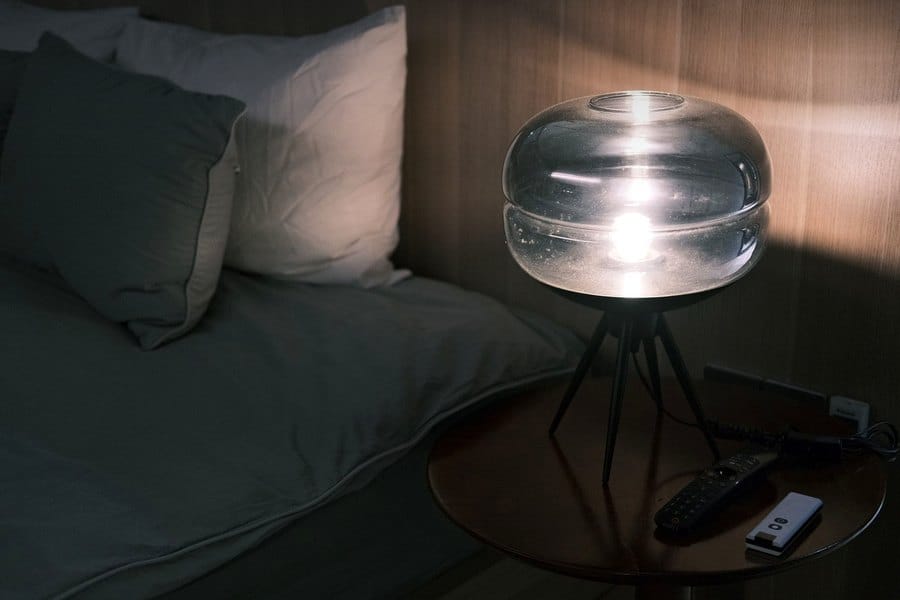
Amber Night Light (Dimmable)
A dim amber plug-in light with a dusk-to-dawn sensor, so a trip down the hall after dark does not require the overhead lights.
See it in the shop →Illustrative photo. We may earn a commission — the affiliate link and the full disclosure live on our shop page.
Related protocols
Sources
AgeGen mental-recovery practices are drawn from authoritative health agencies. We never claim therapeutic effects unsupported by the linked sources.