HbA1c — Three-Month Glucose Average
Glycated haemoglobin gives a 12-week glucose average that cannot be gamed. The pre-diabetic band (5.7–6.4%) is fully reversible — but only if caught. Completes the metabolic trio with fasting glucose and insulin.

HbA1c measures glycated haemoglobin to give a three-month average of blood glucose — the single most actionable one-draw picture of metabolic health, and the earliest standard lab flag that a pre-diabetic trend is developing.
Watch the 30-second version
HbA1c is your average blood glucose over the previous eight to twelve weeks.
Transcript & sources → All videosMr. Age is AgeGen's editorial character. Facts come from the protocol above.
The biomarker
- Name: HbA1c (Glycated Haemoglobin)
- Units: % (percentage of haemoglobin that is glycated)
- Standard reference range: 4.0–5.6 (non-diabetic); 5.7–6.4 (pre-diabetic); ≥ 6.5 (diabetic)
- Optimal range: < 5.4
How to read your result
| HbA1c (%) | Interpretation |
|---|---|
| < 5.4 | Excellent metabolic flexibility |
| 5.4–5.6 | Normal but trending — watch |
| 5.7–6.4 | Pre-diabetic range — act now |
| ≥ 6.5 | Diabetes diagnosis — see clinician |
What moves the needle
- Diet. Reducing refined carbs and ultra-processed foods lowers average glucose and, over 8–12 weeks, lowers HbA1c measurably.
- Movement. Daily Zone 2 cardio and post-meal walks recruit muscle glucose uptake and blunt postprandial spikes — the largest single lever.
- Sleep. 7–9 h with consistent timing; sleep deprivation acutely impairs insulin sensitivity.
- Testing cadence. Recheck every 3–6 months when actively working to improve, annually once stable below 5.4.
Why this test is worth asking for
- Unlike fasting glucose, HbA1c is not affected by a single meal or a stressful morning — it averages glucose over 8–12 weeks and cannot be gamed by a good night before the draw.
- The 5.7–6.4 pre-diabetic band is fully reversible with lifestyle changes — but only if caught. Many people in this band have normal fasting glucose.
- Together with fasting glucose and fasting insulin, HbA1c completes the metabolic trio that diagnoses insulin resistance years before it becomes irreversible.
HbA1c sits inside the at-home panel I use, next to the rest of the metabolic set.
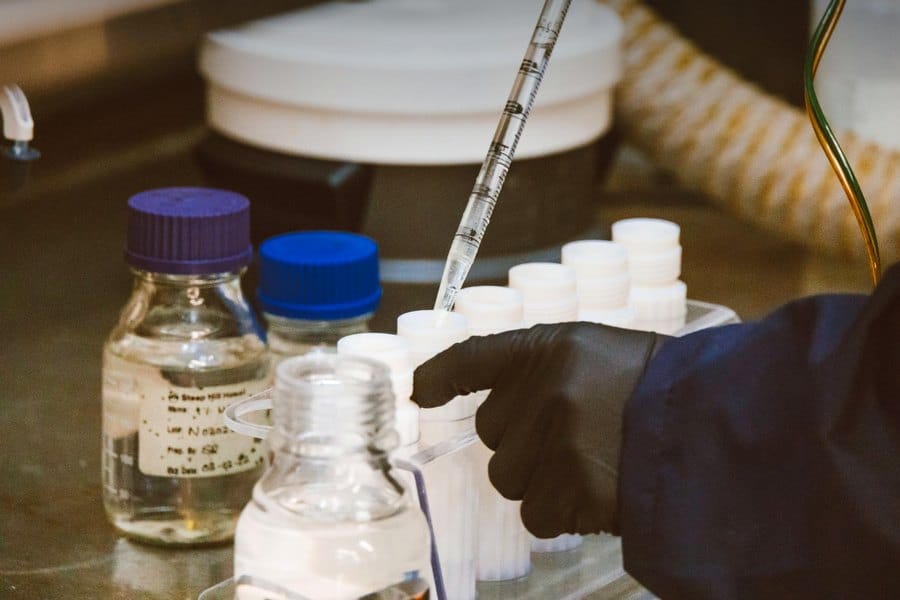
At-Home Comprehensive Blood Panel
A finger-prick home panel covering key metabolic and inflammation markers (such as HbA1c, hsCRP, GGT and glucose) so you can baseline and re-check the numbers that move with diet and…
See it in the shop →Illustrative photo. We may earn a commission — the affiliate link and the full disclosure live on our shop page.
Related protocols
- Fasting Glucose — Baseline Metabolic Marker
- Urine ACR — Early Kidney Marker
- Uric Acid — Metabolic + Gout Marker
Sources
AgeGen lab guides are educational only. We do not provide medical diagnosis, prescribe brands, or recommend specific doses. Talk to a licensed clinician before changing your supplement or medication routine.