Zone 2 + Lactate Test Calibration
Run or cycle 45 minutes at Zone 2, then finger-prick a lactate meter once a month — staying ≤2.0 mmol/L confirms the zone; skip it and most people drift into Zone 3.

Run or cycle at a steady, conversational pace for 45 minutes targeting Zone 2 by heart rate, then once a month finger-prick a lactate meter at the end of the session — staying at or below 2.0 mmol/L confirms the session was truly Zone 2. Without that monthly check, most people drift into Zone 3 without realising it.
Watch the 23-second version
Most people doing Zone 2 are actually in Zone 3.
Transcript & sources → All videosMr. Age is AgeGen's editorial character. Facts come from the protocol above.
The protocol
- Duration: 45 minutes.
- Frequency: 3–5x/week.
- Target: lactate ≤ 2.0 mmol/L.
- Lactate check: once a month, taken at the end of the session.
What you get
- Mitochondrial density gains from consistent low-intensity volume.
- Metabolic flexibility — a more efficient switch between fat and carbohydrate fuel.
- A larger aerobic base to build higher-intensity work on top of.
Contraindications
- Anaemia.
- Uncontrolled cardiovascular disease.
- Aversion to finger-stick testing (heart-rate-only pacing still works, just without the monthly calibration check).
Evidence level
High. Heart-rate-based Zone 2 pacing is well established in endurance science, but perceived effort and heart-rate zones drift with fitness, heat, sleep, and caffeine. A periodic lactate check is the most direct way to confirm the training zone actually being held is the one intended, rather than estimating from heart rate alone.
Zones off an age formula are a guess — the meter I prick a finger on is where mine came from.
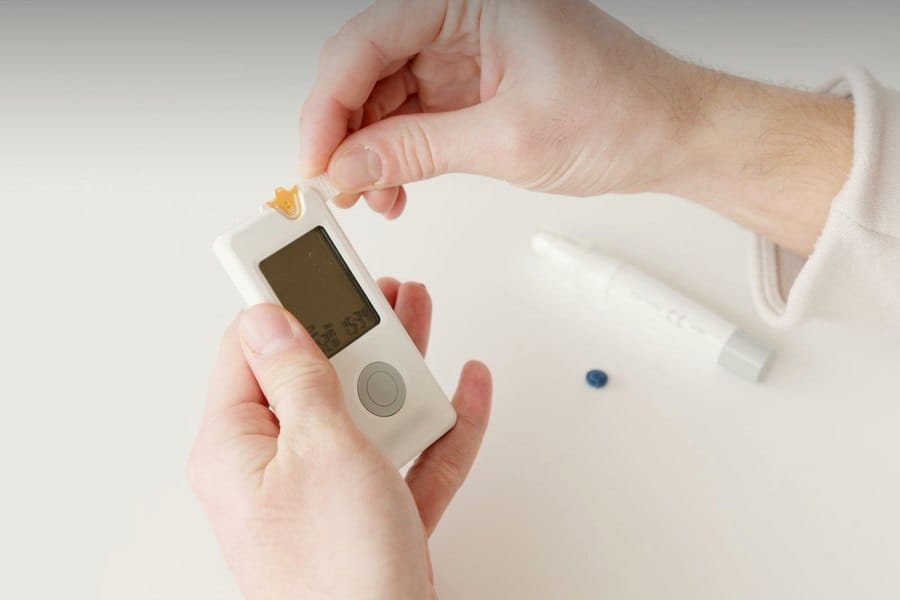
Lactate Meter + Strips
A handheld meter that reads blood lactate from a finger prick, which is how a Zone 2 ceiling gets calibrated to your own physiology instead of a formula.
See it in the shop →Illustrative photo. We may earn a commission — the affiliate link and the full disclosure live on our shop page.
Related protocols
Sources
AgeGen never invents studies and never recommends prescription drugs by brand. Biohacks are experiments, not prescriptions — honour the contraindications and talk to a clinician if a condition above applies to you.