No Overhead Light After Sunset
After sunset, use only low-mounted warm lamps — skip overhead ceiling light. Preserves evening melatonin. A zero-cost circadian upgrade.
After sunset, use only low-mounted warm lamps — table lamps, floor lamps — and skip the overhead ceiling light. Overhead light hits the retina at the same angle as midday sun, telling the circadian system it's still daytime. A zero-cost circadian upgrade.
Watch the 22-second version
This one costs nothing and protects your sleep.
Transcript & sources → All videosMr. Age is AgeGen's editorial character. Facts come from the protocol above.
The protocol
- Rule: overhead lights off after sunset; low, warm lamps only.
- Frequency: every evening.
What you get
- Preserved evening melatonin production.
- A more parasympathetic evening overall.
Why it works
Light exposure is the strongest external cue (zeitgeber) for the circadian clock. Overhead fixtures shine down at an angle that mimics overhead sun, and bright, blue-enriched light in this position suppresses melatonin release more than the same brightness from a low, warm-toned lamp at eye level or below. Switching to low, warm lighting after sunset removes a signal that's telling your brain it's still daytime — no supplements, no equipment, no cost.
Evidence level
Medium-high. The effect of light angle, intensity, and color temperature on melatonin suppression is well established in circadian research; individual sensitivity varies.
The amber plug-ins in the hallway and the bathroom mean the overhead switch never gets touched after dark.
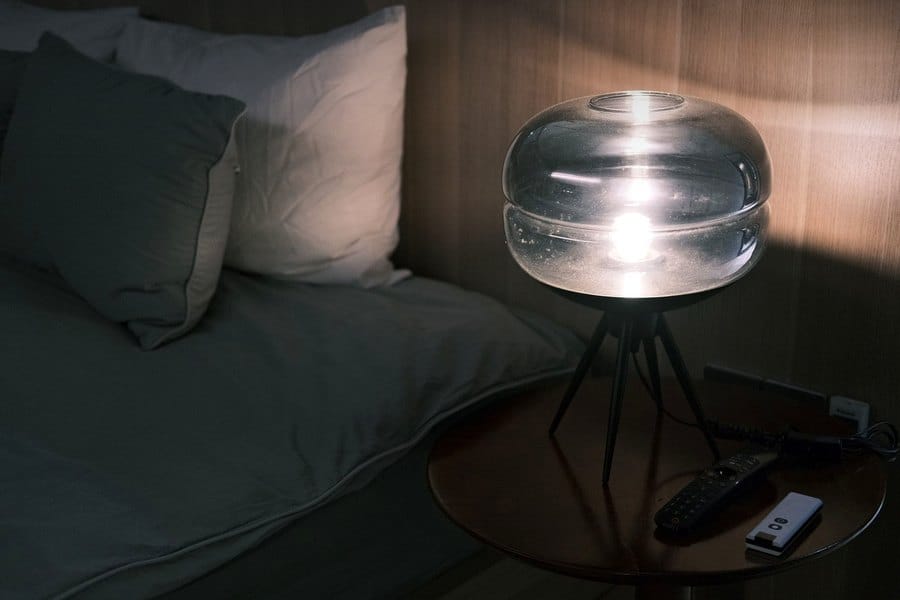
Amber Night Light (Dimmable)
A dim amber plug-in light with a dusk-to-dawn sensor, so a trip down the hall after dark does not require the overhead lights.
See it in the shop →Illustrative photo. We may earn a commission — the affiliate link and the full disclosure live on our shop page.
Related protocols
- Morning Sun — No Sunglasses, 10 Min
- Sleep Tracker Baseline — 2 Weeks
- Hot Bath 40 °C — 90 min Pre-Sleep
Sources
AgeGen never invents studies and never recommends prescription drugs by brand. This is an environmental sleep-hygiene practice, not a treatment for a diagnosed sleep disorder.