Sleep Tracker Baseline — 2 Weeks
Wear your sleep tracker for fourteen nights without changing a single habit — the number means nothing without a baseline to compare it to, and this is the one-time cost of getting that baseline cheaply.
Wear your sleep tracker for fourteen nights without changing a single habit — the number means nothing without a baseline to compare it to, and this is the one-time cost of getting that baseline cheaply.
The protocol
- Rule: change NOTHING — no new bedtime, no supplement, no earlier caffeine cutoff.
- Duration: 14 nights.
- Log alongside: bedtime, wake time, caffeine timing, alcohol, training, and a 1–5 morning subjective rating.
- Then: change ONE variable for the next 2 weeks.
- After: look for the pattern, not the nightly number — compare your best 3 nights against your worst 3 and find what differed.
- Caveat: consumer trackers estimate sleep stages indirectly — trust the trends and the timing, not the stage percentages.
What you get
- A real comparison point for every change you make afterward.
- The subjective morning log usually explains more than the device output alone.
- A way to separate timing problems from duration problems.
- One-off cost, permanent value — the baseline is only collected once.
Contraindications
- If tracking increases anxiety about sleep, stop — orthosomnia is a documented downside of consumer sleep tracking.
- A consumer tracker does not diagnose anything; suspected sleep apnoea needs a clinician.
- Do not adjust prescribed sleep medication based on tracker output.
Evidence level
Low. Consumer sleep trackers estimate sleep stages indirectly, and their accuracy varies between devices and individuals. Low reflects that the value here is behavioural — producing a reference point before changing anything — rather than a precise physiological measurement. The fourteen-night unchanged-habits rule is harder to maintain than it sounds; any intervention before the baseline is complete leaves no valid reference for whatever follows. Honour the contraindications: if tracking increases sleep anxiety, stop.
Any tracker you will actually wear for two weeks works — the ring I use is mine because I forget it is on.
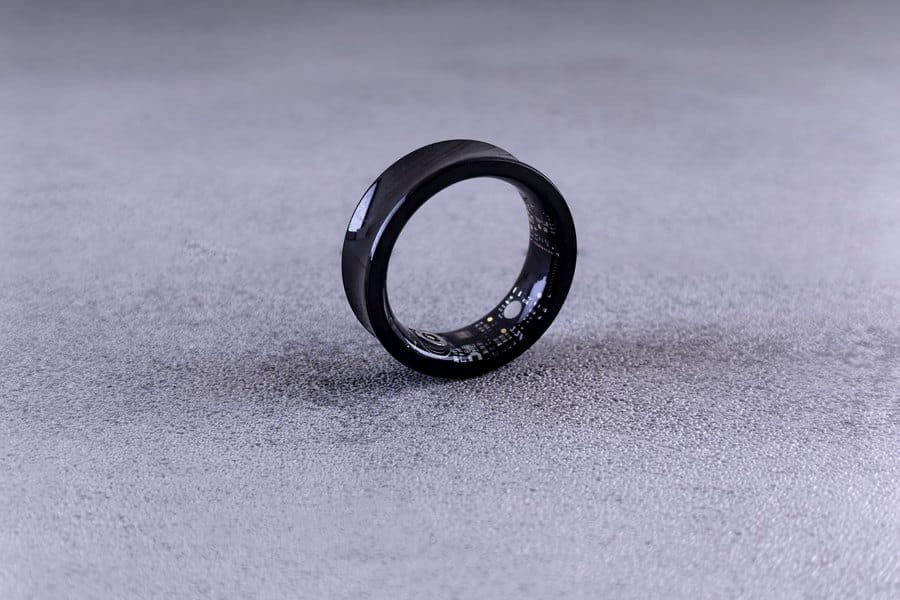
Oura Ring 5 — Sleep & Recovery Tracker
A wearable ring that estimates sleep stages, resting heart rate and heart-rate variability overnight — useful for spotting how training, alcohol and late meals affect your recovery.
See it in the shop →Illustrative photo. We may earn a commission — the affiliate link and the full disclosure live on our shop page.
Related protocols
Sources
AgeGen never invents studies and never recommends prescription drugs by brand. Biohacks are experiments, not prescriptions — honour the contraindications and talk to a clinician if a condition above applies to you.