Sauna 4×20 min/week at 80 °C
Four 20-minute sauna sessions per week at 80–90 °C: heat-shock proteins, lower blood pressure, and cohort data on reduced cardiovascular mortality. Highest evidence-level heat protocol.
Four 20-minute sessions per week in a traditional sauna at 80–90 °C triggers heat-shock proteins, lowers resting blood pressure, and is associated with reduced cardiovascular and all-cause mortality in long-term cohort data — the highest evidence-level heat protocol on this site.
Watch the 23-second version
Four sauna sessions a week, twenty minutes each, around eighty degrees.
Transcript & sources → All videosMr. Age is AgeGen's editorial character. Facts come from the protocol above.
The protocol
- Temperature: 80–90 °C (traditional Finnish dry sauna).
- Duration: 20 minutes per session.
- Frequency: 4x/week.
- Prerequisites:
- Hydrate well before entering and replace fluids after.
- Exit immediately if dizzy, nauseous, or chest-tight — do not push through.
- No alcohol within 4 hours of sauna use.
What you get
- Heat-shock protein induction, which assists in protein quality control and cellular repair.
- Gradual blood-pressure reduction with repeated sessions.
- Cardiovascular conditioning analogous to moderate passive exercise, due to elevated heart rate during exposure.
- Improved subjective recovery scores reported in athletic populations.
Contraindications
- Pregnancy.
- Recent cardiovascular event (heart attack, stroke, cardiac procedure).
- Uncontrolled hypotension.
- Alcohol consumed within the prior 4 hours.
Evidence level
High. The Kuopio Ischemic Heart Disease cohort (Finland) found dose-dependent reductions in cardiovascular mortality with 4x/week sauna use. This is observational data, not an RCT — confounding cannot be fully excluded — but the effect size, dose-response pattern, and biological plausibility (heat-shock proteins, blood-pressure reduction) make this the best-supported heat protocol in the longevity literature. Honour the contraindications without exception.
The blanket I travel with runs cooler than the 80 °C the protocol asks for — it is the fallback, not the thing itself.
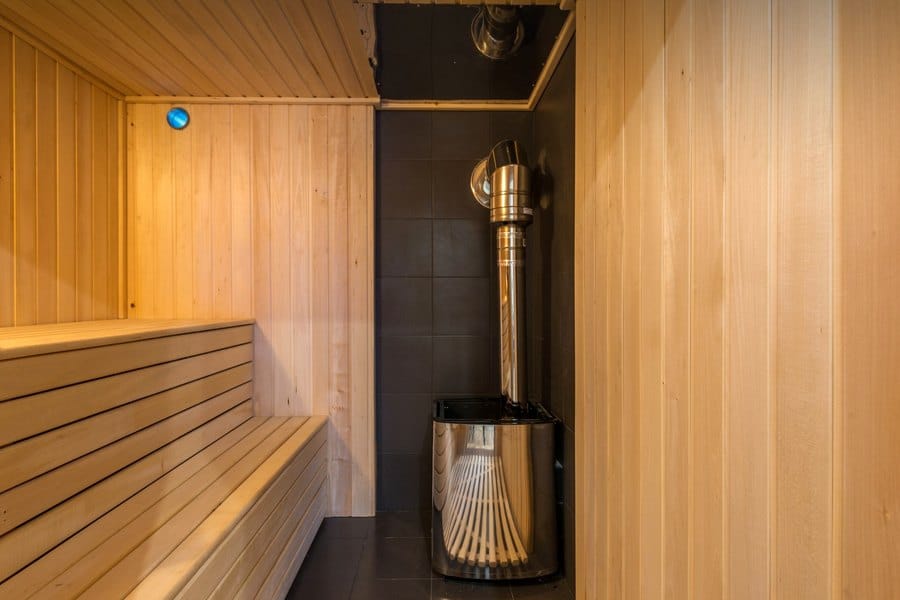
Infrared Sauna Blanket
A portable blanket that warms the body the way a sauna does; regular heat exposure is studied for cardiovascular and relaxation benefits.
See it in the shop →Illustrative photo. We may earn a commission — the affiliate link and the full disclosure live on our shop page.
Related protocols
Sources
AgeGen never invents studies and never recommends prescription drugs by brand. Biohacks are experiments, not prescriptions — honour the contraindications and talk to a clinician if a condition above applies to you.