Sodium Audit — 2 Weeks
Log the sodium on every packaged item you eat for a week without changing anything, then spend the second week substituting the three biggest contributors.

Log the sodium on every packaged item you eat for a week without changing anything, then spend the second week substituting the three biggest contributors. More than 70% of dietary sodium comes from packaged, prepared and restaurant food rather than the salt shaker — which is why the audit almost always finds the intake somewhere other than where people assume.
Watch the 30-second version
More than seventy per cent of dietary sodium comes from packaged, prepared and restaurant food — not the salt shaker.
Transcript & sources → All videosMr. Age is AgeGen's editorial character. Facts come from the protocol above.
The protocol
- Step 1. Log sodium in mg from every label, restaurant estimate and takeaway for 7 days — change nothing. The first week is measurement, not intervention.
- Step 2. Rank the sources. The top three usually account for most of the total.
- Step 3. In week 2, substitute those three — lower-sodium bread, unsalted nuts, a different sauce — and re-log.
- Targets: the American Heart Association sets no more than 2,300 mg/day, with 1,500 mg/day an optimal goal for most adults.
- Duration: 14 days.
- Note. Cutting roughly 1,000 mg/day is the change the AHA describes as improving blood pressure for most people.
What you get
- The actual sources, not the assumed ones. Bread, cured meat, cheese and sauces routinely outrank anything added at the table.
- Blood pressure support. Sodium intake is one of the few dietary variables with a direct, well-mapped relationship to blood pressure.
- No food is banned. Every step in the protocol is a substitution, not a removal — which is why the change survives past week two.
- A habit that outlasts the audit. Label-reading, once learned on your own shopping basket, does not switch off on day fifteen.
Contraindications
- Do not restrict sodium below a clinician's guidance if you take diuretics or have adrenal, kidney or heart failure conditions.
- Endurance athletes training in heat have higher sodium requirements.
- Salt substitutes are potassium-based — check with a clinician if you have kidney disease or take a potassium-sparing drug.
Evidence level
High. The relationship between sodium intake and blood pressure is one of the better-characterised in nutrition, and the intake figures behind "70% comes from packaged and restaurant food" come from national dietary surveillance rather than from any single trial. What the audit itself adds is not a new mechanism but a measurement: it tells you where your own intake sits before you try to change it.
An audit is easier to judge with a number on both ends — a home cuff is what I read it on.
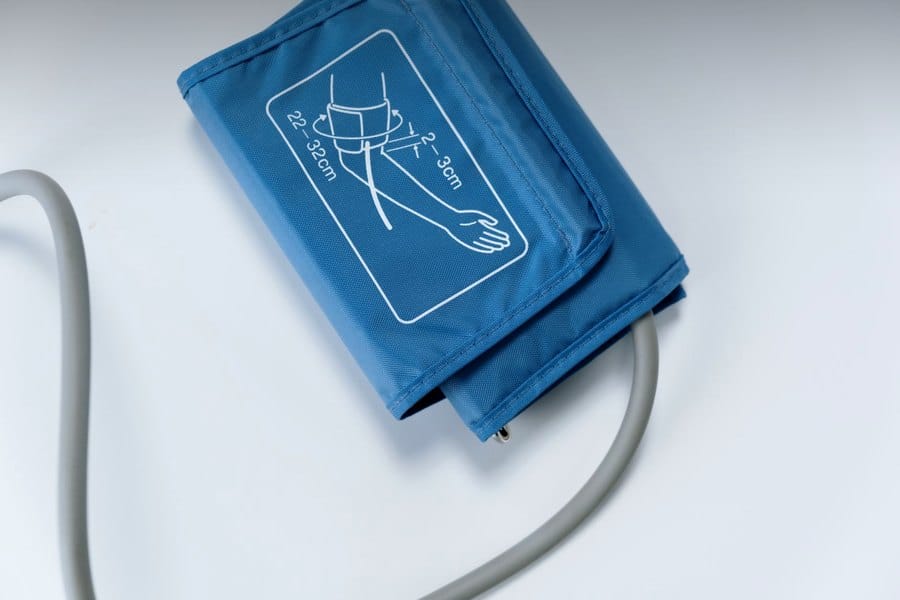
Home Blood-Pressure Monitor
An upper-arm cuff for tracking blood pressure at home — one of the most informative numbers you can self-measure, since readings at the clinic are often higher (the white-coat effect).
See it in the shop →Illustrative photo. We may earn a commission — the affiliate link and the full disclosure live on our shop page.
Related protocols
Sources
AgeGen never invents studies and never recommends prescription drugs by brand. Biohacks are experiments, not prescriptions — honour the contraindications and talk to a clinician if a condition above applies to you.